If you’re preparing for a hearing aid fitting appointment, it’s part conversation, part technology setup and part teamwork. Your audiologist works with you to learn how you live, what you struggle to hear, and what success would look like for you, so your hearing aids can be adjusted to fit your real life.
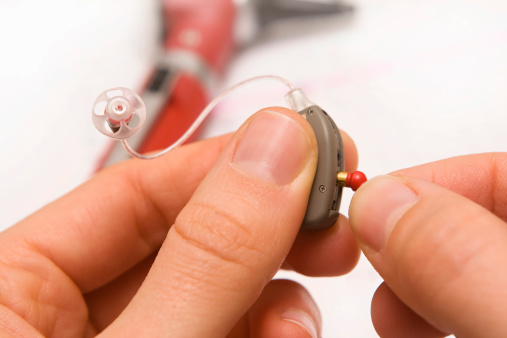
A Hearing Aid Fitting Is More Personal Than Many People Expect
By the time you arrive for a fitting appointment, your hearing has already been evaluated. The fitting itself focuses on matching hearing technology to your hearing loss, communication needs and daily routines.
That’s why your audiologist may ask questions that seem unrelated to your ears at first.
You might discuss:
- Where you spend most of your time
- Whether conversations or television are more challenging
- Your work, hobbies or social activities
- How comfortable you are with technology
These details matter. A person who regularly attends community events has different hearing needs than someone who spends most of their time in quiet settings. A successful hearing aid fitting relies on a patient-centered approach that incorporates the audiologist’s expertise along with the patient’s goals and lifestyle.
Why Lifestyle Questions Are So Important
A hearing aid isn’t selected based on an audiogram alone.
Your audiologist is looking for a complete picture. Three areas often play a major role:
- Listening environments: Do you spend time in restaurants, meetings, packed venues or mostly at home?
- Communication priorities: Are phone calls difficult? Do you want to hear grandchildren more clearly?
- Technology preferences: Some people want smartphone connectivity. Others prefer simple controls and fewer features.
How you answer these questions helps shape programming and feature recommendations.
Learning How to Use Your Hearing Aids
Once the hearing aids are programmed, your audiologist will guide you through the practical side of ownership.
You’ll learn how to:
- Insert and remove the devices
- Charge or replace batteries
- Clean and maintain them
- Adjust settings when appropriate
Will Hearing Aids Sound Strange At First?
Often, yes. Everyday sounds such as footsteps, running water or rustling paper may seem more noticeable as your brain readjusts to hearing sounds it hasn’t processed fully in a while.
How Long Does It Take To Adjust To Hearing Aids?
Adjustment varies from person to person. Most people benefit from wearing their hearing aids consistently and communicating with their audiologist about sounds that seem uncomfortable or unclear.
Follow-Up Visits Are Part of the Process
The fitting appointment is rarely the finish line.
Follow-up visits give you and your audiologist an opportunity to fine-tune settings based on your real-world experiences. Maybe conversations are easier, but restaurant noise still feels overwhelming. Maybe television sounds much clearer, but certain voices seem sharp.
Those visits help turn initial benefits into lasting success.
For many people across Redding and Shasta County, that ongoing adjustment period is where confidence begins to grow, and small changes can make a meaningful difference.
Moving Forward With Confidence
A successful hearing aid fitting works best when both the patient and audiologist contribute to the process. Your feedback matters. Your experiences matter.
At Southwestern Hearing & Balance, the goal is to help you understand what you’re hearing, what you’re not hearing and how hearing technology can better support your daily life. A fitting appointment is simply the beginning of that conversation.