Getting hearing aids fitted is a major step, but the fitting itself is only the beginning. If you’re new to hearing aids and everyday sounds suddenly seem louder, sharper or simply different from what you expected, that’s usually normal. Most new hearing aid users experience a period of adjustment called auditory acclimatization, where the brain relearns how to process sounds it hasn’t heard clearly in months or even years.
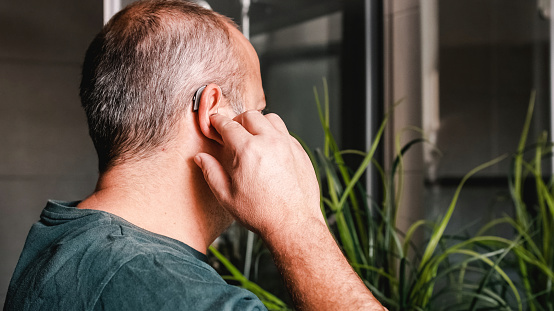
Why The World Sounds So Different After A Hearing Aid Fitting
Hearing loss often develops gradually. During that time, less sound information reaches the brain. Your brain adapts by paying less attention to sounds it can no longer hear clearly.
Once hearing aids are introduced, that missing information begins to return.
A refrigerator humming in the kitchen. Footsteps in a hallway. Birds outside your window. For some new hearing aid users, those sounds feel surprisingly loud at first.
The volume of the output isn’t necessarily the cause. Rather, your brain is receiving more complete sound information than it does without hearing aids. The result can feel overwhelming while your auditory system adjusts, but users typically acclimate in a few weeks.
Some new patients also experience listening fatigue. This happens because the brain is working harder to sort, prioritize and interpret incoming sounds. According to Mayo Clinic, hearing aid users commonly require an adjustment period and follow-up appointments to optimize hearing aid settings and listening comfort.1
Hearing Aid Adjustment Timeline
While everyone’s experience is different, many patients follow a similar pattern:
| Timeframe | What You May Notice |
| First Few Days | Sounds may seem unusually loud, sharp or distracting |
| Week 1-2 | The brain begins adapting to increased auditory input |
| Week 3-4 | Speech often becomes easier to follow in everyday situations |
| One Month And Beyond | Listening generally feels more comfortable and natural |
Consistent hearing aid use is one of the most important parts of this process.
Why Do Hearing Aids Make Everything Sound So Loud At First?
Hearing aids often seem loud at first because your brain is receiving sounds it has not processed clearly for some time. As your brain relearns which sounds deserve attention, everyday noises usually become less noticeable.
Why Your Own Voice May Sound Different
One of the most common surprises after a fitting has nothing to do with outside sounds.
Your own voice may sound different.
You may hear more low-frequency resonance, more detail or simply a different balance than you’re used to. In most cases, this improves as your brain adjusts to hearing your voice more completely.
Should I Wear My Hearing Aids All Day During Adjustment?
Generally, yes. Wearing hearing aids consistently gives your brain the best opportunity to adapt to new sound information and build stronger listening habits.
Reach Out To Your Audiologist If
Most adjustment challenges improve with time. Some situations deserve attention sooner.
- Your hearing aids cause pain or physical discomfort
- Speech sounds distorted or unclear after several weeks
- Sound remains consistently overwhelming
- The devices whistle frequently
- You find yourself avoiding wearing them because listening feels unpleasant
Follow-up appointments are an important part of hearing loss treatment and auditory rehabilitation. Hearing aid programming can often be adjusted to better match your listening needs and comfort level.
For patients in Redding and throughout Shasta County, working with licensed audiologists during the adjustment period can help address questions and fine-tune hearing aid performance as real-world listening experiences develop.
You’re Not Expected To Figure It Out Alone
Learning to hear differently takes time. Some people notice meaningful improvements within days. Others need several weeks before everything starts feeling natural.
Neither experience is unusual.
At Southwestern Hearing & Balance, follow-up care is just as important as the initial fitting. If your hearing aids aren’t meeting expectations, if certain sounds feel uncomfortable or if you simply have questions about what you’re experiencing, the team can help you understand what’s happening and determine whether adjustments may improve your experience. Sometimes a small change in programming or fit makes a noticeable difference.
Sources
1 Mayo Clinic. “Hearing Aid Program.” https://www.mayoclinic.org/departments-centers/hearing-aid-program/overview/ovc-20429189